EDI
Manage outbound documents and EDI with the same solution
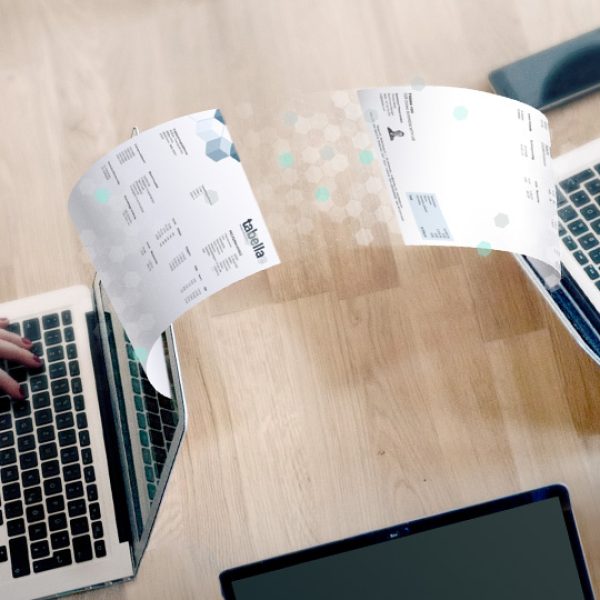
A wide range of business documents such as invoices, orders and delivery notes are exchanged as EDI (Electronic Data Interchange). Often, large amounts of data are transferred electronically from one IT system to another.
With Lasernet Output Management software from Tabellae, you get a solution that can handle both outgoing documents AND EDI – so you no longer need a separate EDI system to exchange documents electronically.
Easily exchange documents electronically
If you work with EDI and have many suppliers, you are probably familiar with the problem of customers and suppliers not having the same format.
With Lasernet as your EDI solution, data is handled automatically with a minimum of manual functions, and the solution is cost-effective due to a low number of consultant hours for customizations.
You get a rules-based setup where:
- Templates become easy to develop, design and maintain. For example, you don’t need to create the same format 10 times, just once
- Avoid creating the same format for different customers
- You can turn sections on/off depending on whether they are needed or not
Save on operations and time with EDI solution
“EDI is expensive and takes a long time” we often hear. That’s not the case with Tabellae.
In competing solutions, EDI is typically transaction-based. Not so with Tabellae, because you will own the Lasernet software. It gives you:
- Savings on operations because everything doesn’t have to go through VANS
- Save time by customizing formats and changes before sending
If you deliver many documents to different customers and/or suppliers, the daily savings are significant. For example, Food, DIY and Transportation, which typically have a lot of documents and data exchange.
The benefits of EDI invoicing
- EDI invoicing ensures that an e-invoice ends up with the right recipient
- Manual errors at the shipper are eliminated as invoicing is no longer a manual but automated process
- EDI can make your business paperless in many areas, including e-invoicing, orders and electronic order confirmations
- Automating your invoice processing with EDI creates greater efficiency within your company

Is e-invoicing an advantage for me?
Even though e-invoicing is on many people’s agendas, that doesn’t mean it’s necessarily beneficial for your business.
Tabellae’s recommendation is:
- No, it isn’t: If you have small amounts of documents but many customers, this is generally not an advantage.
- Yes: If your customers or markets demand it, you need it. If you also have large volumes of documents but few trading partners, an e-invoicing system is a great advantage.
Which EDI system should I choose?
There are a number of different EDI systems around the world, covering different needs depending on the size and industry of your business. However, you don’t need a standalone EDI system to manage your electronic invoices.
Tabellae’s Output Management solutions, which handle the company’s external business documents from creation, design, formatting and distribution of business documents, can also be used as the company’s EDI system.
With an EDI solution from Tabellae, you can avoid expensive costs for external EDI systems.
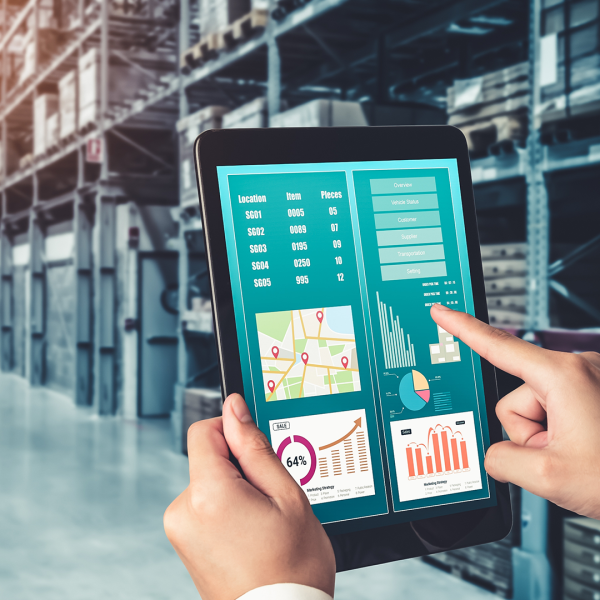
EDI process (technical)
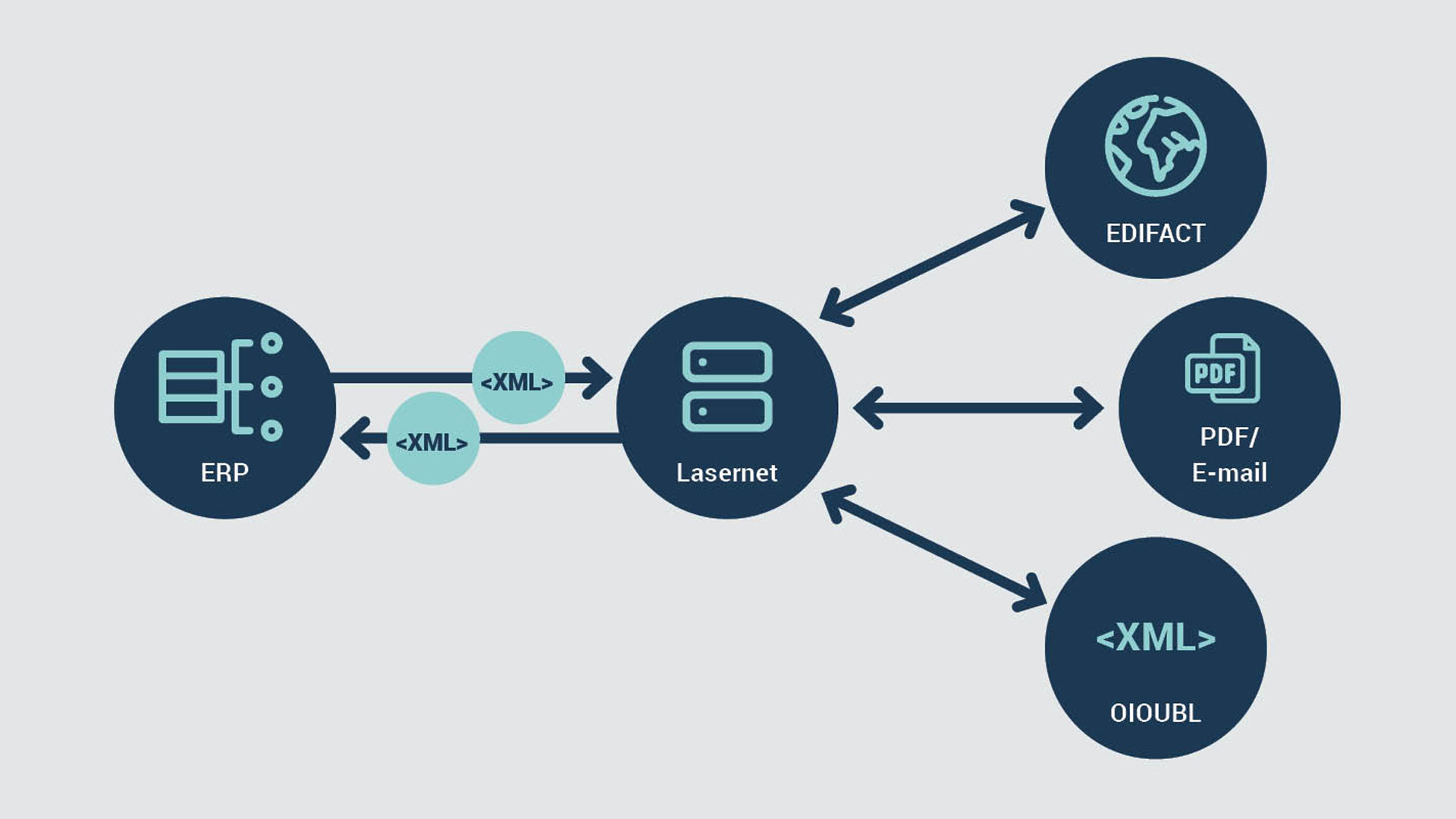
Processes
The increasing focus on electronic exchange of business documents such as EDI invoices requires an EDI system that supports the process, which typically consists of a number of steps – and therefore documents:
- Buyer submits an electronic order
- Seller confirms the order
- There may also be order changes and notifications
- Item is delivered and invoice is sent (possibly together with shipping documents)
The above process is supported by Lasernet, which performs two tasks in the process.
- Conversion to/from the relevant EDI format, according to e.g. an EDI invoice
- Send and automatically distribute documents – directly via FTP or via a VANS
The advantage of using Lasernet for this task is that there is only one format to/from the ERP system, regardless of whether you work with many different trading partners.
Shipping
There are a number of ways to send and receive EDI documents, e.g. EDI invoice. Thus, Lasernet can use:
- FTP
- VANS (e.g. Sproom, KMD, IBM, OB10, Itella, Basware or Evenex)
- SMTP (email)
Often it’s the trading partner’s preferences that are met. Unless otherwise agreed, it is cheaper to send the documents directly via internet/Lasernet.
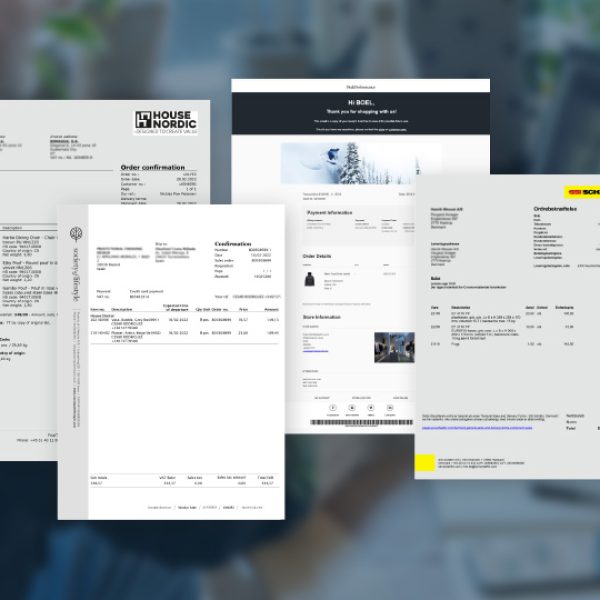
EDI solution supports any EDI format
As an EDI supplier, Tabellae offers a solution that enables, for example, EDI invoices to be converted from the supplier’s to the customer’s EDI format and vice versa.
Many EDI systems have limitations in terms of which formats, also known as EDI standards, the system supports. Tabellae’s EDI solution supports all types of EDI formats such as
- EDIFACT, ODETTE, OIO, UBL, XML, CSV, E2B, Finvoice, Svefaktura, EHF, SWIFT and SEPA, sub-standards such as DAVID, BYG-e and HAMKOM protocols.
An EDI system that supports all EDI formats will not only facilitate workflows within your company, but also ensure that your customers and suppliers always receive electronic order confirmations, orders and e-invoices in the desired format.
What is EDI used for?
EDI can be used for everything from sales and purchase orders to order confirmations and invoices.
EDI is an efficient method of exchanging or transferring information to trading partners quickly and efficiently.
Today, EDI is used by all sizes of businesses in various industries. Among our customers, EDI in the logistics and transportation industry is often used to handle deliveries and bookings, while in the service and utilities industry it is often used to handle e-invoicing, also known as EDI invoicing.
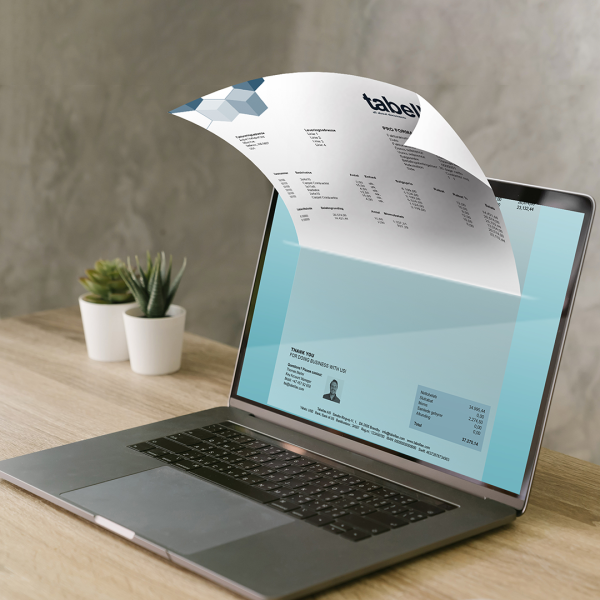
What is an EDI invoice?
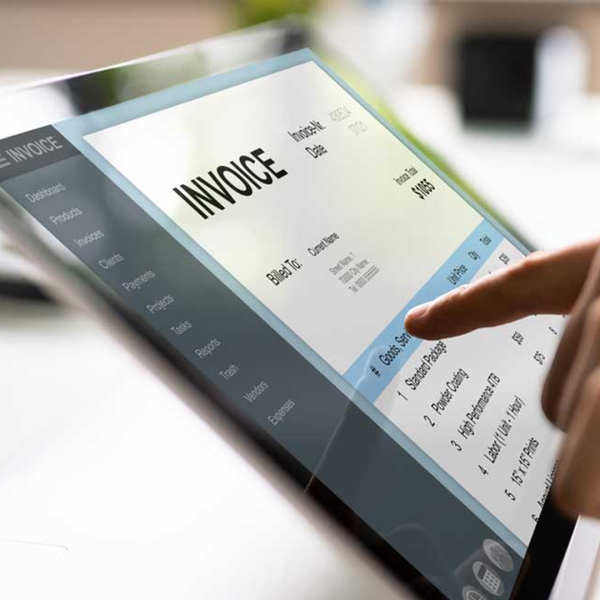
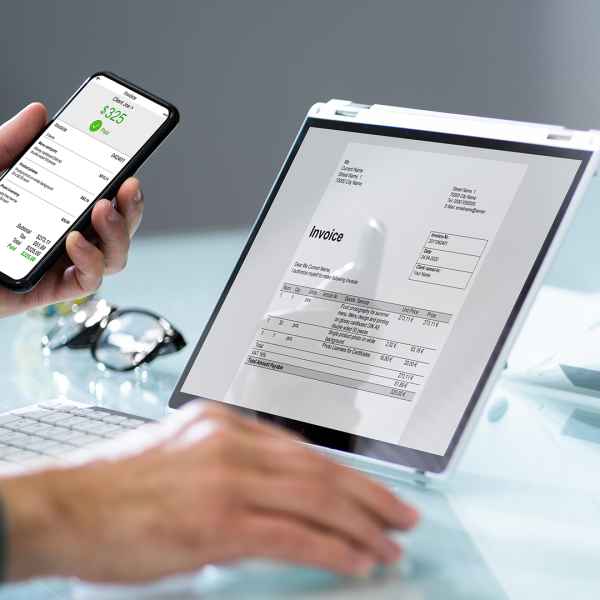
An EDI invoice is an electronic invoice (also known as an e-invoice) – basically an invoice that is sent electronically.
One of the benefits of using EDI invoicing is that when your company sends an e-invoice to a customer or supplier, the information on the invoice is transferred in a format that is readable by both parties’ IT systems. This means that even if you operate with different IT systems, you can trade and invoice electronically efficiently.
Tabellae’s EDI solution can also be used for EDI invoicing, which has many advantages.
Want to learn more about the possibilities with Lasernet for EDI from Tabellae and how we can help your business?
Send me an email and I’ll contact you to set up a time for a counseling session that suits you.